Art Doodle: The Playful Typeface for Creative Projects
A Font with a Handmade Heart
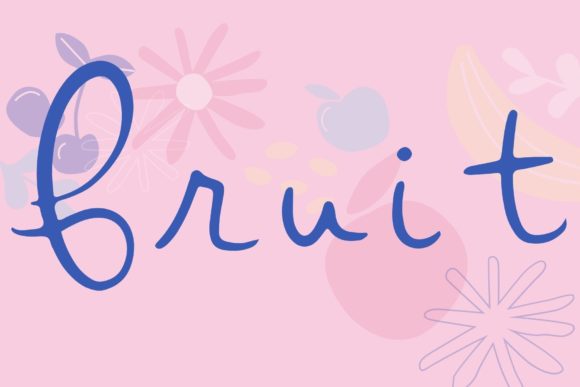
Let's talk about typefaces that feel alive. In a world of clean sans serifs and predictable serifs, Art Doodle stands out by embracing a charming, hand-sketched aesthetic. This isn't a stiff, geometric font; it's a premium font that looks like it was drawn with a felt-tip pen during a moment of inspiration. Its letters have a slightly uneven baseline, playful loops, and a warmth that digital precision often lacks. The personality is approachable, whimsical, and inherently creative, making it a fantastic display font for projects that need to feel personal and energetic.
What makes it so effective is its ability to bridge the gap between professionalism and playfulness. It avoids looking childish by maintaining consistent weight and thoughtful letter spacing, which are hallmarks of a well-crafted commercial font. For a brand identity that wants to communicate creativity, approachability, or a DIY spirit, Art Doodle can be a foundational element. It’s the typographic equivalent of a friendly smile—inviting and memorable.
Where Art Doodle Truly Shines: Practical Applications
Understanding a font's ideal environment is key to using it well. Art Doodle thrives in contexts where a human touch is desired. Think beyond just text on a page; consider its role in shaping an experience.
- Branding & Marketing: It’s a natural fit for logo design for bakeries, craft studios, indie bookstores, or creative consultants. On packaging, it can make a product feel artisanal. For social media graphics, it cuts through the noise with its distinctive style, perfect for quote cards, announcements, and stories that need a personal vibe.
- Publishing & Editorial Design: Use it for chapter titles, pull quotes, or feature headings in magazines, blogs, or e-books. It adds a layer of whimsy without sacrificing clarity in short bursts. Paired with a clean serif font or sans serif font for body text, it creates a beautiful visual hierarchy.
- Product Design & Stationery: This is where Art Doodle feels right at home. Imagine it on greeting cards, wedding invitations, notebook covers, or stylish mugs. For trendy shirts and tote bags, it offers a trendy, hand-lettered look that’s highly marketable.
- Digital Spaces: Beyond social media, consider it for website headers, call-to-action buttons, or decorative elements in web design. It can make a digital product, like a course or a PDF guide, feel more engaging and less corporate.
Making Art Doodle Work for You: A Designer's Guide
Introducing any new creative font into your toolkit requires a bit of strategy. Here’s how to get the most out of Art Doodle without overwhelming your designs.
Pairing with Purpose
The golden rule of font pairing is contrast. Art Doodle’s exuberant personality needs a grounded partner. A simple, geometric sans serif font like Montserrat or a classic serif font like Garamond provides a calm counterbalance. This allows Art Doodle to handle headlines and decorative text while its partner ensures body copy remains highly readable. Avoid pairing it with another highly stylized script font or handwritten font, as this can create visual chaos.
Evaluating Fit and Readability
Not every project calls for Art Doodle’s playful energy. It’s less suited for legal documents, corporate reports, or long-form text where sustained readability is paramount. Test it at the size you intend to use. At very small sizes, its unique details might blur, so it’s best used at medium to large sizes for maximum impact. Always consider your audience; a young, creative demographic will respond positively, while a more traditional audience might require a more subtle application.
Exploring Versatility and Licensing
A robust typeface like Art Doodle often comes with multiple styles—perhaps bold, light, or italic variations. Explore these to add depth to your visual hierarchy. Crucially, if you plan to use it for commercial projects—client work, merchandise, or digital products—ensure you have the correct commercial license. This protects your work and supports the type designers. Treat it as one of your core design assets, and you’ll find it becoming a go-to for infusing that much-needed dash of artistic whimsy into a wide range of projects.